Adobe Boards
In 2023 Adobe Workfront wanted to improve its Teams experience which offered its customers an Agile workflow within Workfront. Working closely with customers my team and I built a new product for Adobe called Adobe Boards which introduced agile work management across Adobe. The goal was to introduce a simple work management experience that could be used by Agile teams and that was composable so it could be added to other Adobe products.
Problem
Users need a way to organize their work while using an Agile workflow method but Workfront’s current experience is overwhelming and unintuitive resulting in customer churn and an increase in lost deals.
Outcome
By introducing a new Agile experience within Workfront I was able to grow the Boards product’s unique monthly active users (MAU) to over 50,000 with an 88% product market fit.
Team
- 8 Engineers
- 1 Product Designer
- 1 Product Manager
- 1 Product Marketing Manager
- 1 Technical Writer
Role
Product Designer
Timeline
Jan ‘23 – Jul ‘23
Benchmark research
To best understand where our product lived within the current market, we ran usability research on our product as well as competitors to get initial benchmarks.
We also ran user interviews to better understand user’s jobs to be done and their pain points.
8 Usability studies
We performed 8 usability studies on our current Teams experience to set benchmarks to help us better compare what we have to future iterations.
Competitive benchmarking
Along with setting benchmarks for our own product, we ran the same usability tests on competitor products to better understand where we stood within the competition and what we needed to focus on to outperform them.
Competitive analysis
We ran usability tests against our competitor’s products to see how we could compete in the market. We also explored different workflows and the way each product solved them.
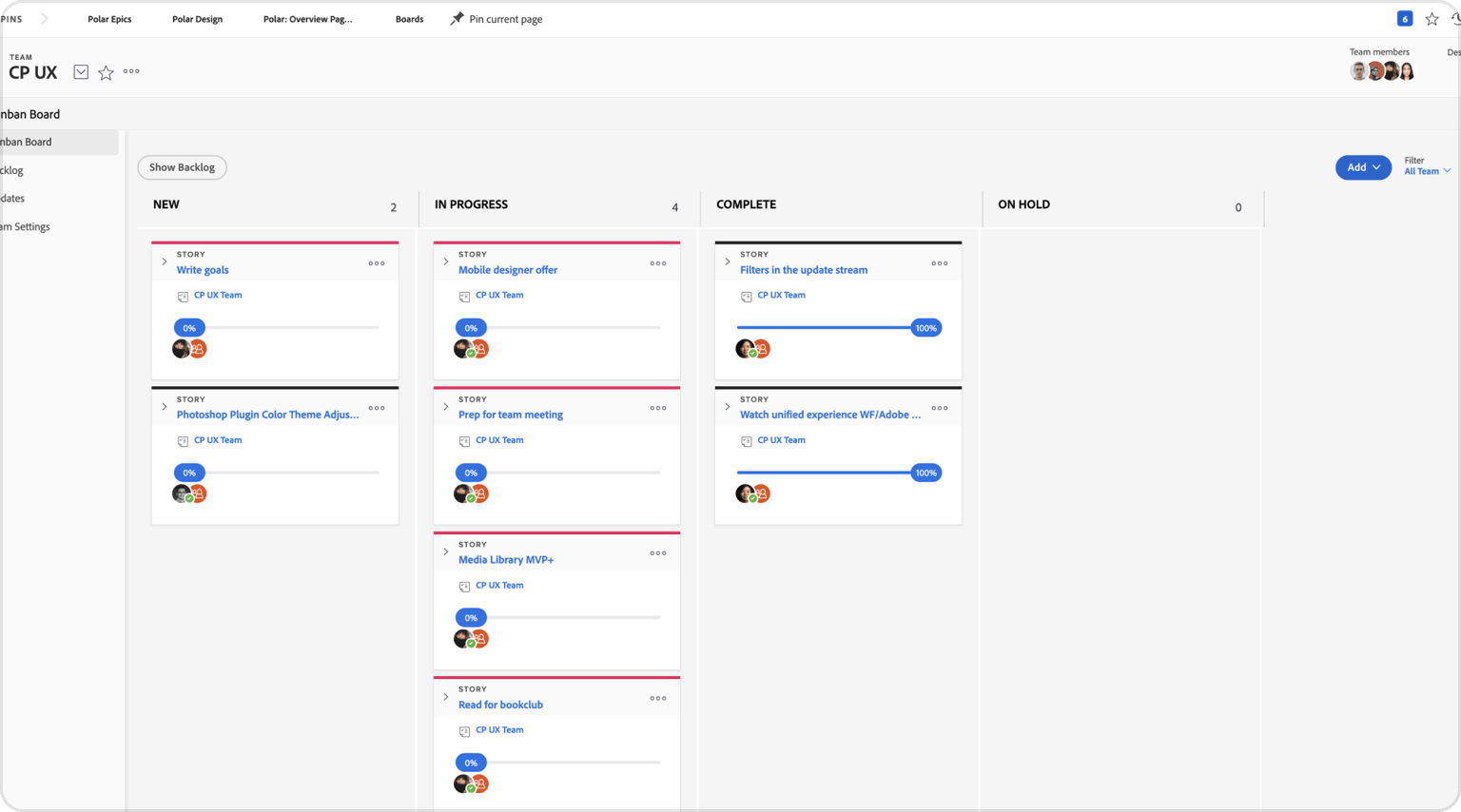
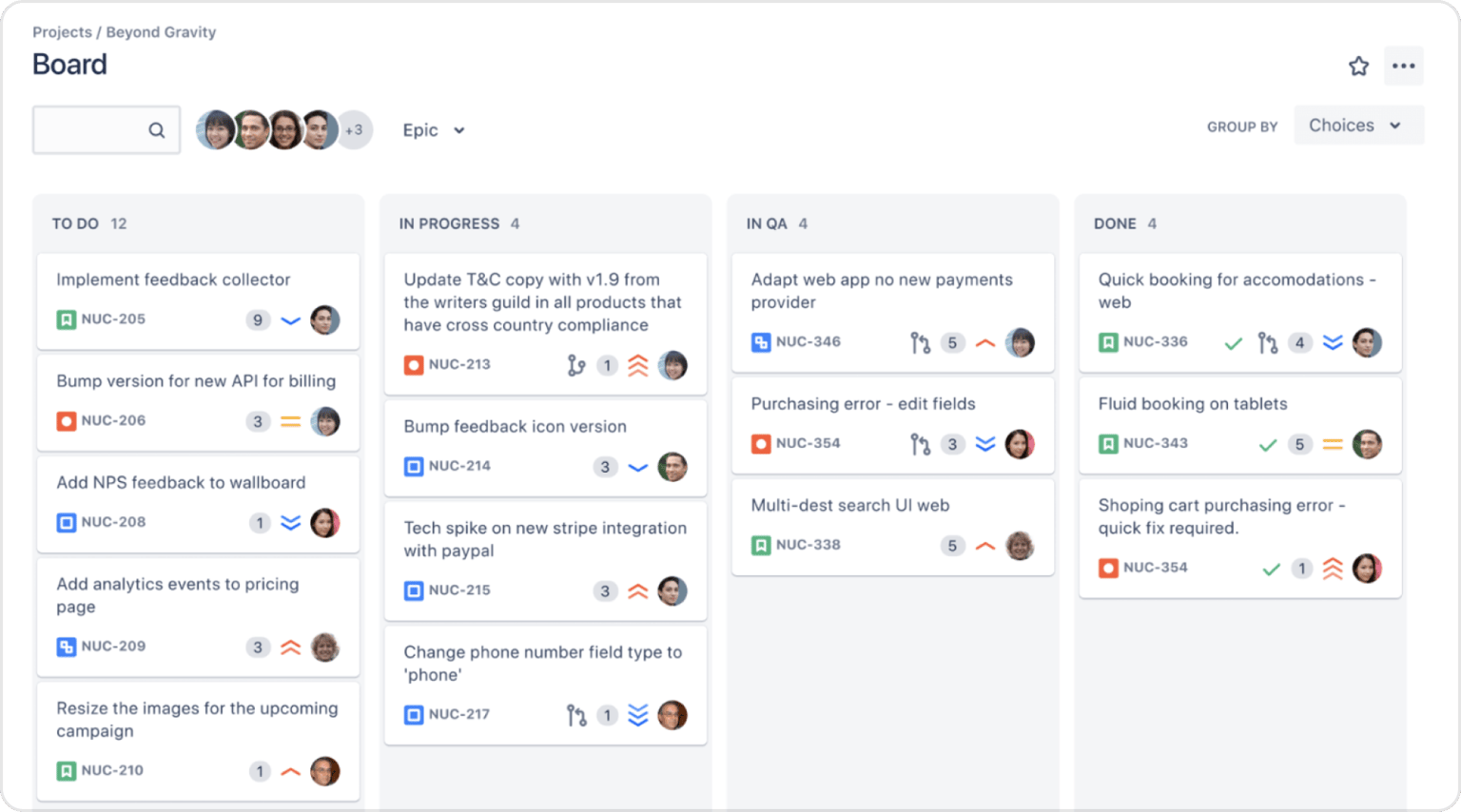
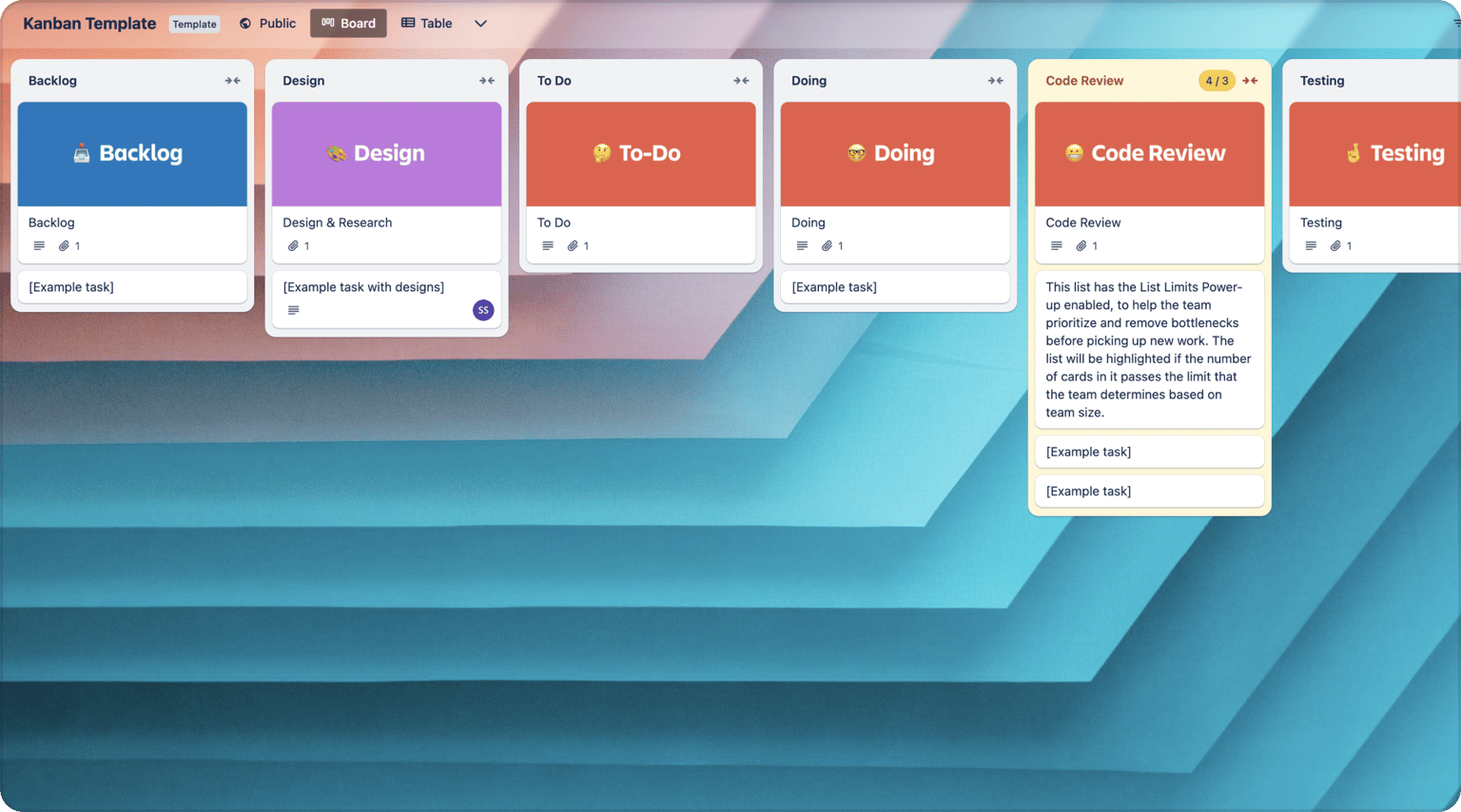

Research findings
Overall, the usability of our product tested lower than all of our competitors but we learned that we were more aligned with the work manager’s expectation of what data they needed with a work management tool.
58%
Success baseline. Within our product, the average success rate of tasks given was 58%, which was 15% lower than our competitors’ average.
Harder to use but more useful
On average Workfront tested 15% lower on each task given during research.
100% of work managers mentioned wanting more control and customization when testing competitor products.
Enterprise advantage
- Users are already using Adobe, higher chance for adoption.
- More data, customization, and flexibility than products designed for SMBs.
“Workfront has a lot to it, and at times that’s great, but with Teams I don’t even know where to get started. I just need a simple way to run my team’s sprints without losing the ability to report on the work.”
Customer quote
MVP
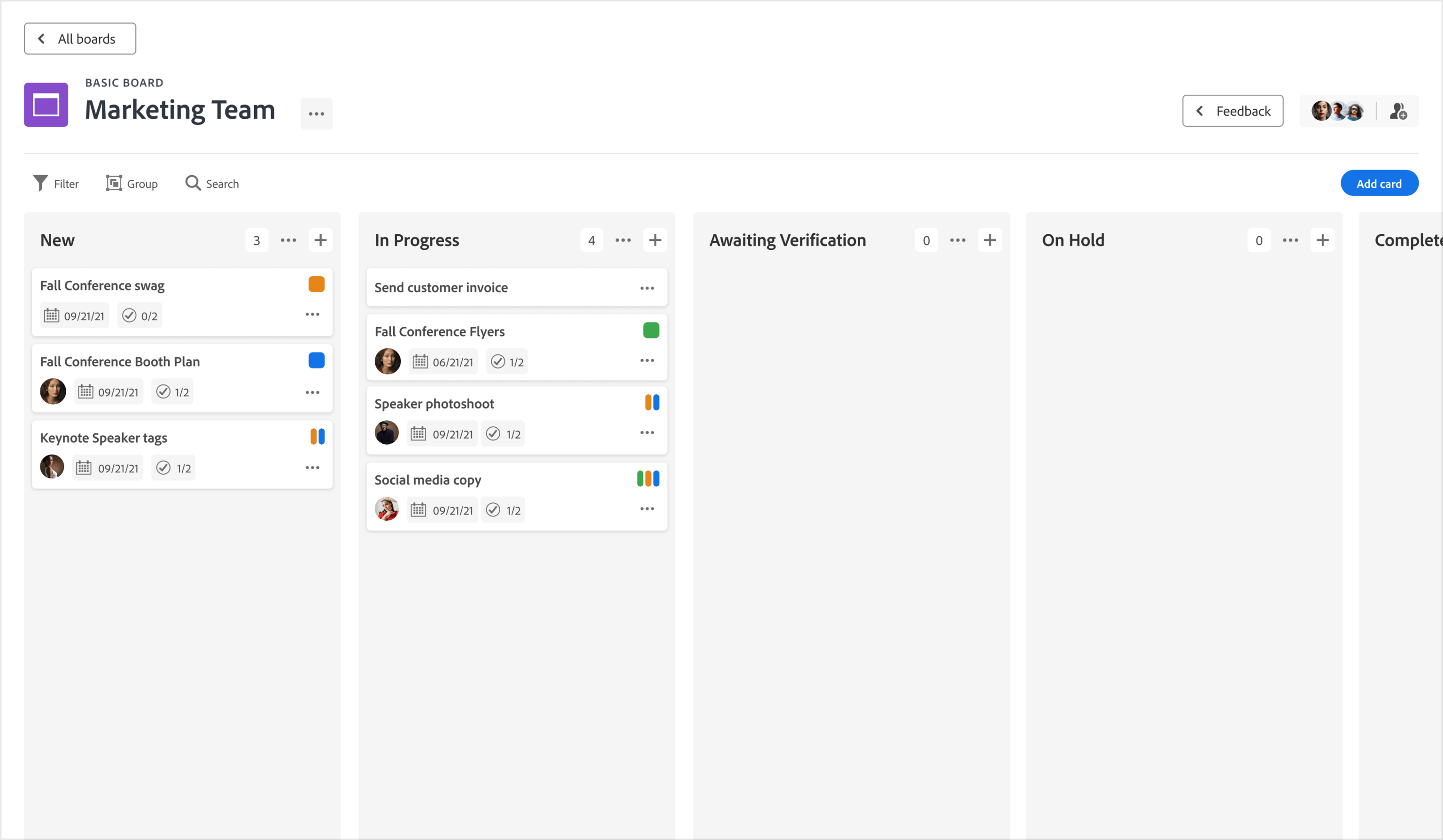
Initial Board
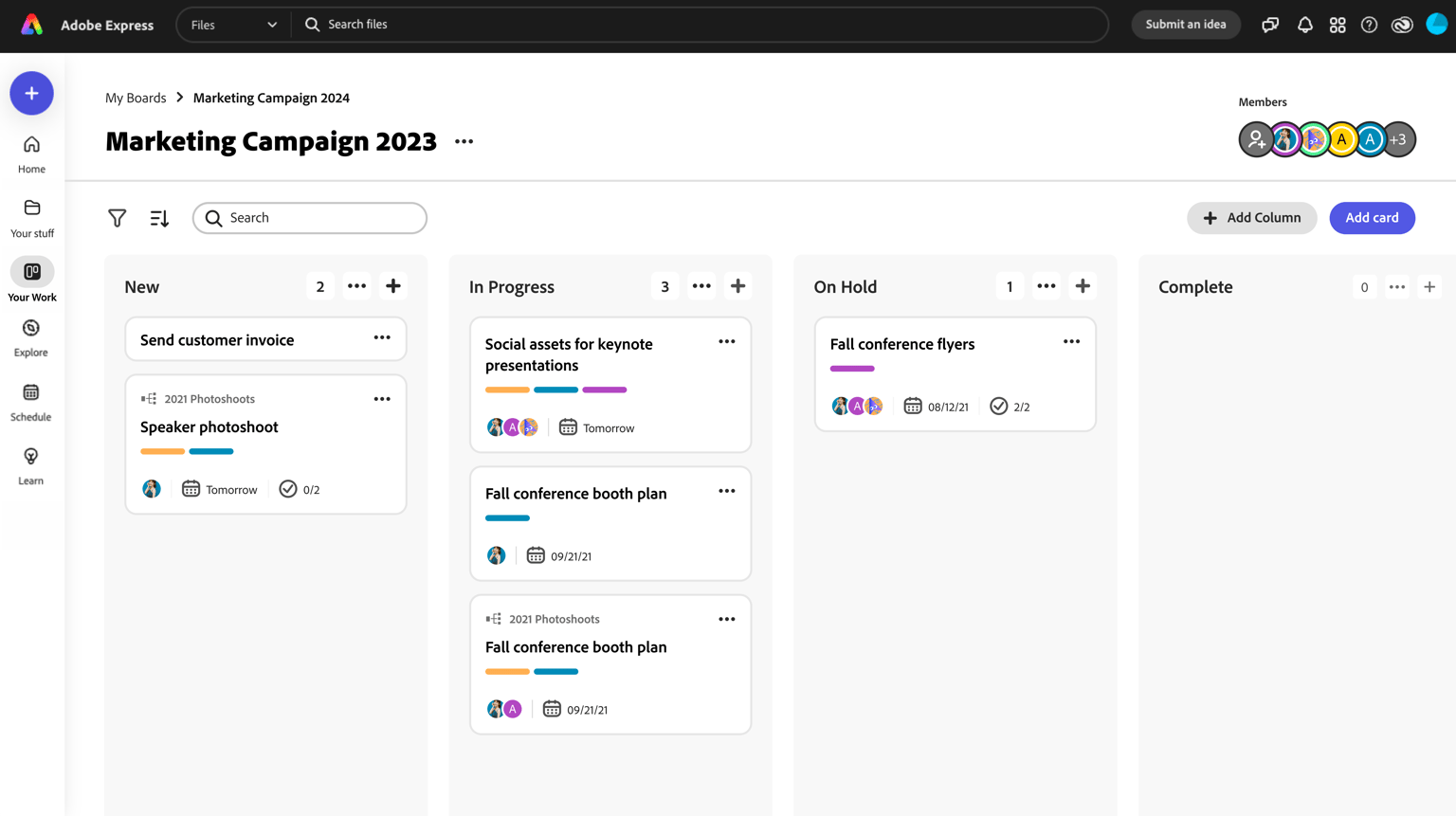
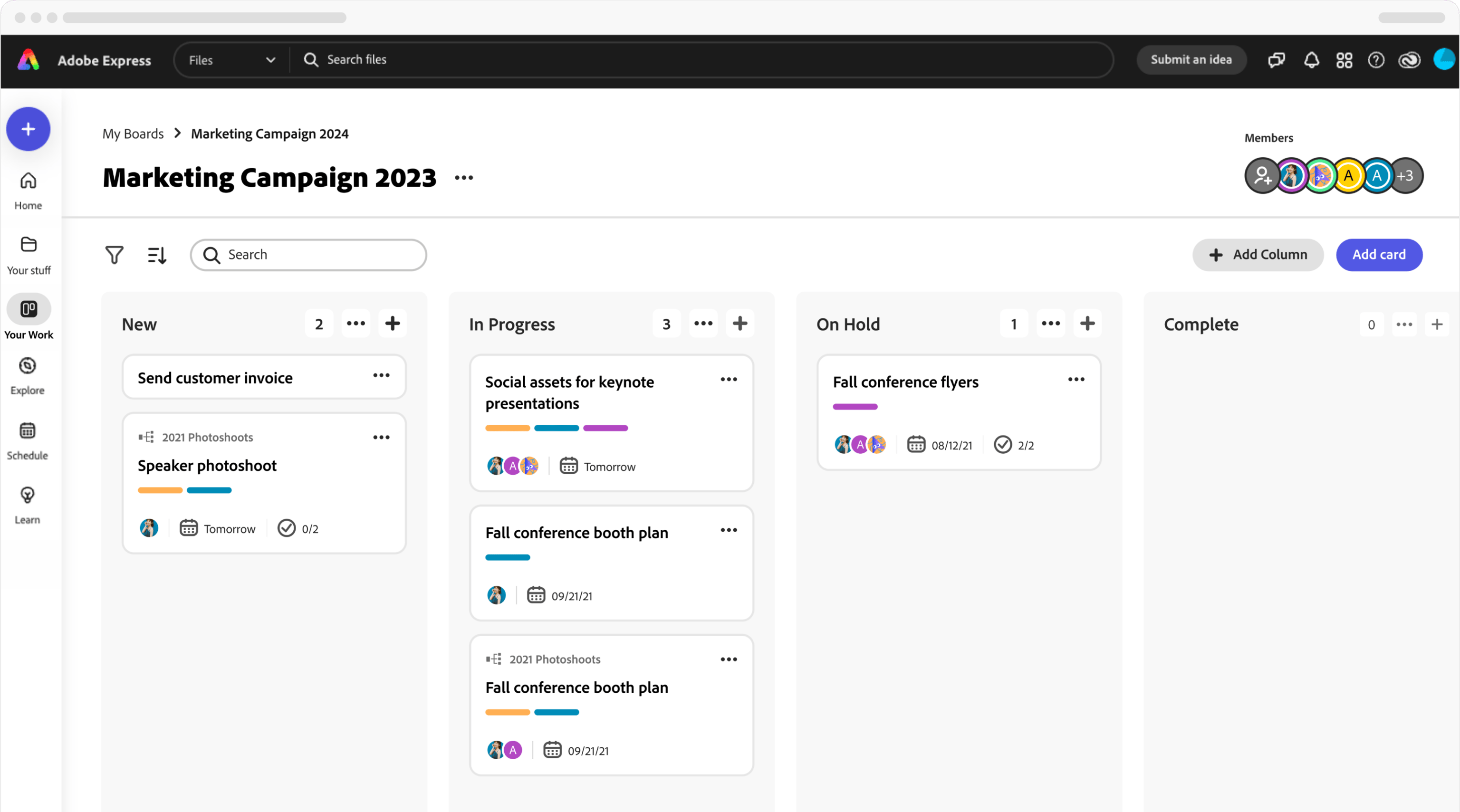
As an MVP we released our Basic Board, which gave users the ability to create a board, add custom columns, and add cards with a limited set of fields as metadata.
Improvements needed
While this was a huge step in simplifying the experience, it did not give teams all the features they needed to plan and run their agile processes.
V2
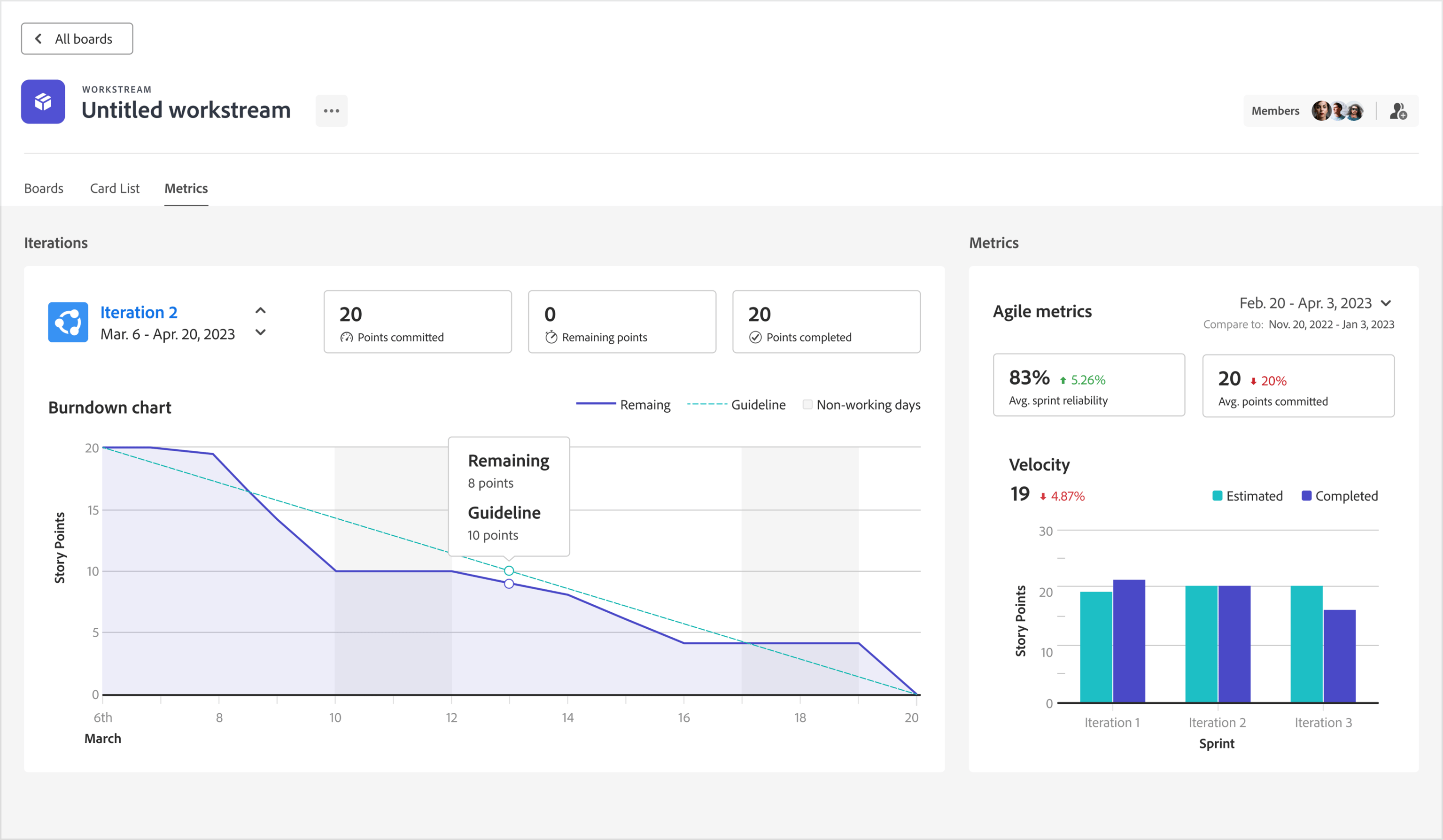
Agile improvements
To improve on our MVP we introduced features such as the ability to build out a backlog and iterations as well as metrics that teams could use to track and report on.
Improvements needed
Now that teams could run their Sprints independently they requested the ability to bring in custom data and connect their work back to Workfront.
V3
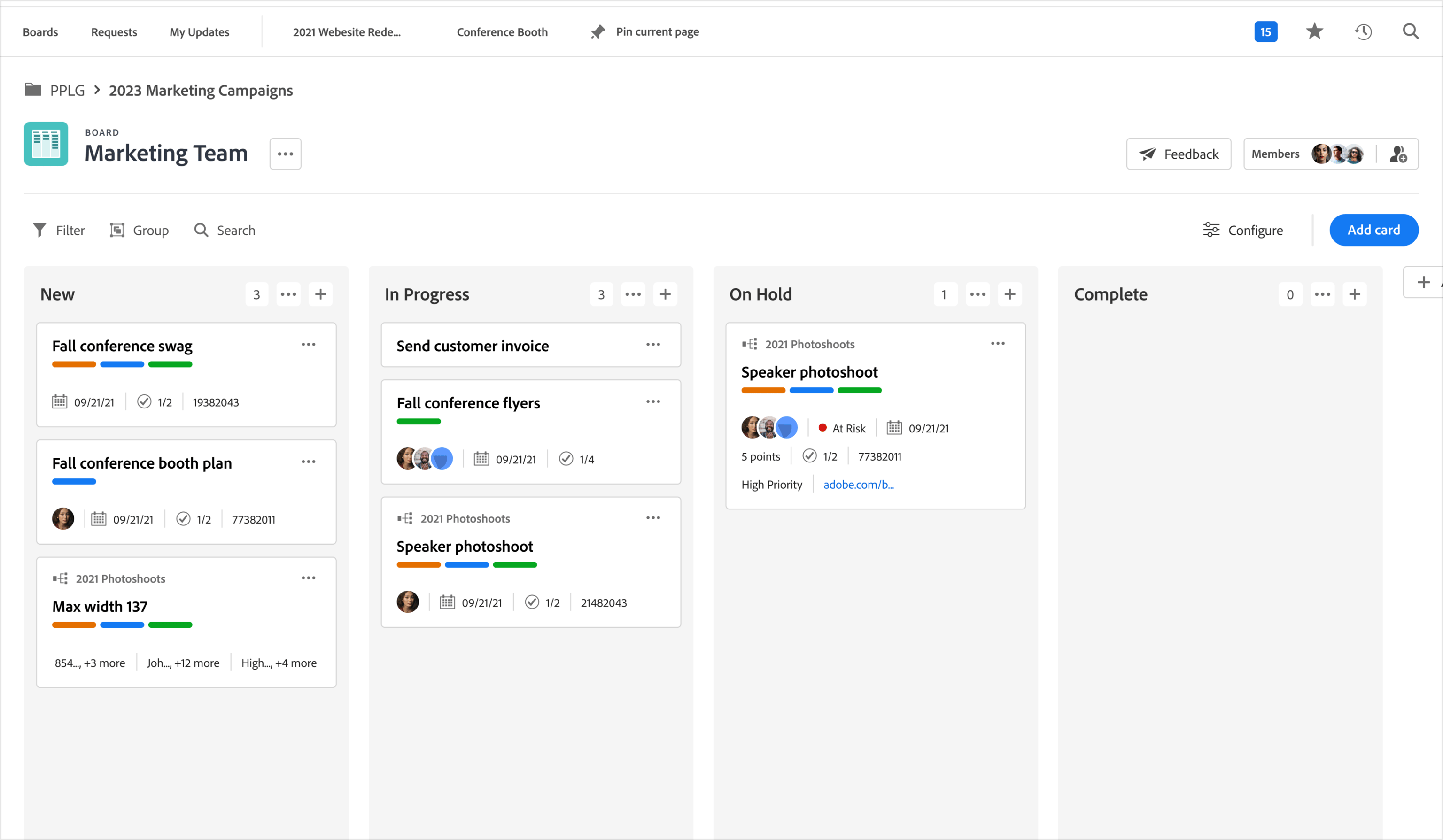
UI update & data connection
The last version we released included visual design improvements, the ability to add custom fields, and finally the ability to connect a card to a Project in Workfront. This gave PMs the ability to manage work in Workfront while end users could use this simple experience to track and complete work.
Final results
After releasing our MVP, running a Beta program, and using feedback directly from customers we were able to grow the product and confidently find product market fit.
+50k MAU
Over 6 months, we grew the product from 0 to 50,000 unique monthly active users. This experience was only available to current Workfront customers.
88%
Product market fit. To understand if we had solved our customer’s need for a product to run Agile workflows we sent out a survey to understand if we had achieved product market fit. This resulted in 88% of our customers saying they would be “extremely disappointed” if they were no longer able to use Boards.
Buy-in to expand
Lastly, we achieved buy-in from Adobe’s leadership and were aligned that our product was solving customer problems and would help achieve our business goals of reducing churn and winning more deals. Resulting in more resources to expand the product.
Next steps
With buy-in from leadership and the addition of resources, we plan to expand Boards to other areas of Workfront as well as into other Adobe products.
Our goal is to expand outside of Workfront’s customers by offering a free tier to Express users who we can then upgrade to a premium version of Boards.
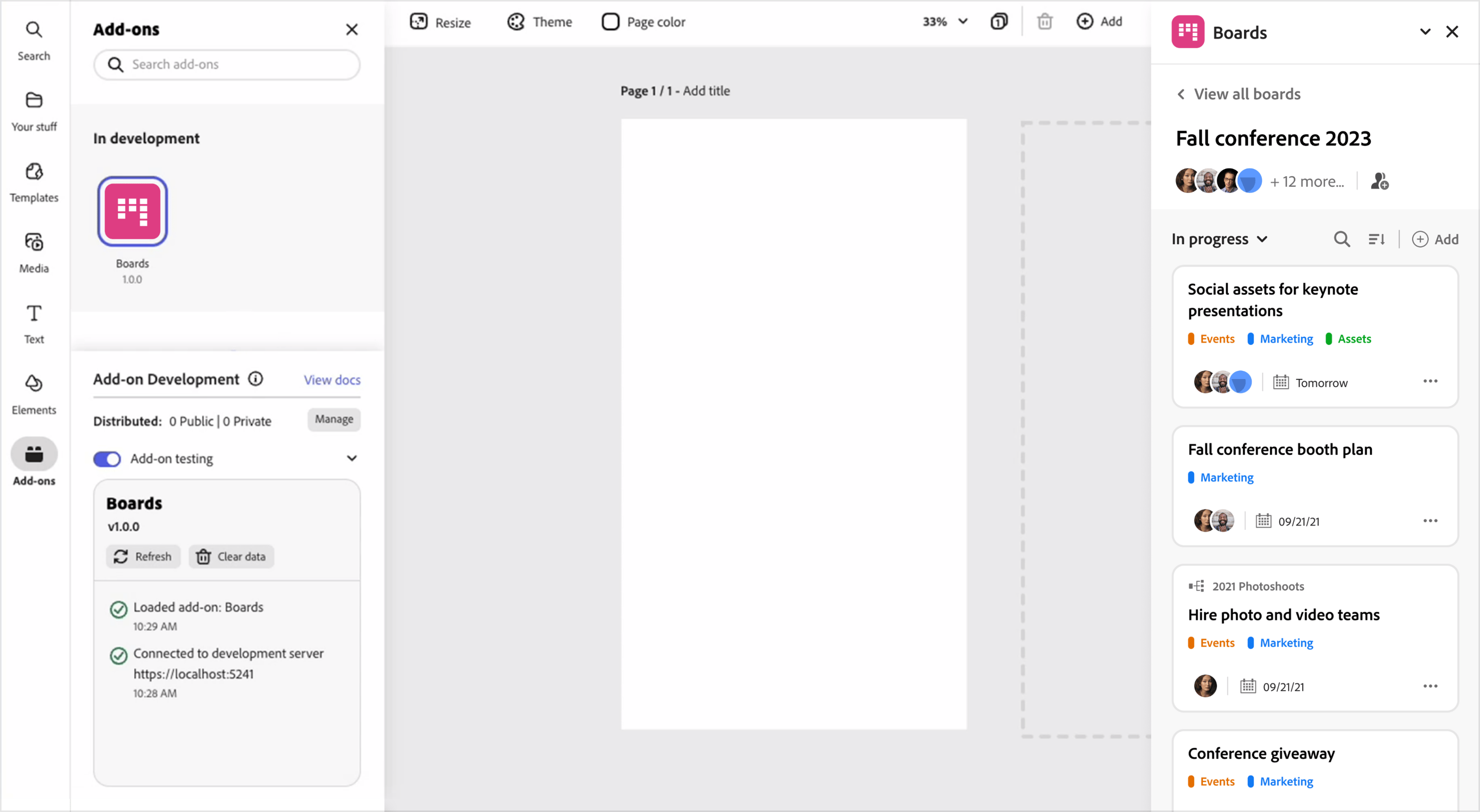
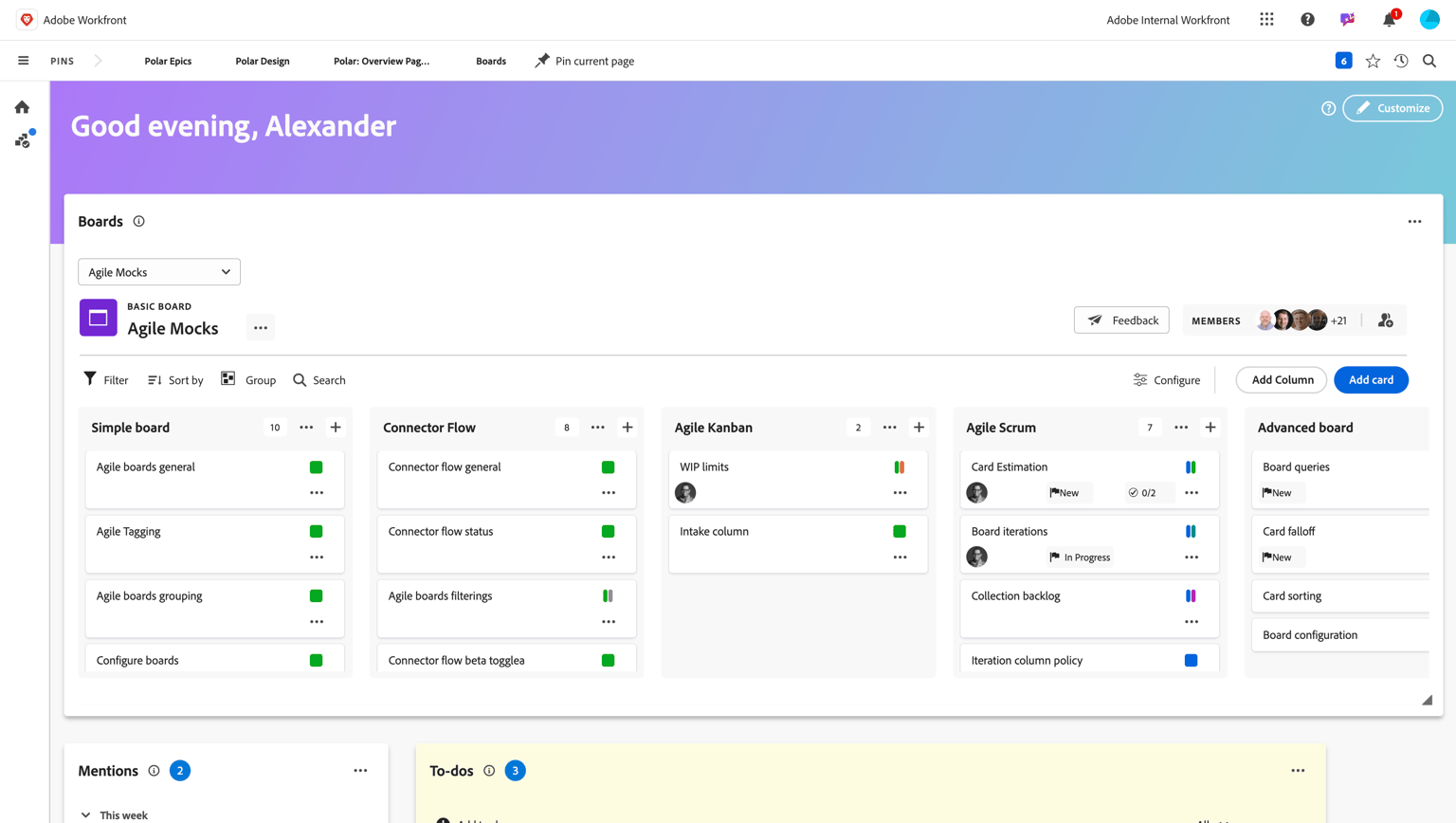
Composability
To expand to different product areas we will expand the Boards product to be available for other teams to integrate into their products. We will do this by creating a composable full-page component, a widget, and a side rail experience.